Storage in Dulwich
If you are looking for storage in Dulwich, you are likely trying to solve a real, practical problem: too many boxes in a flat, a house move that has not lined up neatly, business stock taking over valuable space, or simply the need to keep belongings safe while life changes. Local storage should make things easier, not more complicated. That means flexible options, straightforward access, and a service that understands the mix of period homes, apartment buildings, family houses, and busy commercial premises found across Dulwich and the surrounding South London neighbourhoods.
Whether you live in Dulwich Village, East Dulwich, West Dulwich, or nearby parts of Herne Hill, Sydenham, Forest Hill, Peckham, or Camberwell, having a dependable place to store furniture, personal items, or business equipment can save time, reduce stress, and free up space at home or work. A good storage solution is not just about putting things away; it is about helping you keep your life organised while you move, renovate, declutter, or expand.
Below, you will find a clear overview of how local storage services can support residents and businesses in Dulwich, what to expect, what to prepare, and why choosing a nearby provider can make day-to-day logistics much simpler. If you are ready to reclaim space, contact us today or request a free quote and take the first step toward a tidier, more manageable property.
Why storage is so useful for Dulwich customers

Dulwich is an area where homes and businesses often need extra breathing room. Many properties are characterful and attractive, but they are not always designed for modern storage demands. Period terraces, Victorian and Edwardian houses, maisonettes, converted flats, and compact commercial units can all run out of usable space surprisingly quickly. In these settings, storage in Dulwich becomes a practical extension of the home or workplace rather than a last resort.
For homeowners, storage is often used during moving house, home renovation, downsizing, or redecorating. Families may need somewhere to keep furniture, bicycles, seasonal items, school equipment, or archived paperwork. For renters, storage can be especially helpful when a lease ends before the next place is ready, or when a flat simply does not have enough room for bulky possessions.
How local storage helps different customers
Businesses in and around Dulwich also benefit from convenient storage space. Shops, tradespeople, creatives, consultancies, and online sellers can all need a secure place for stock, tools, samples, promotional materials, or files. Instead of crowding a small office or home workspace, a storage solution can keep things organised and easier to access when required.
Common reasons people choose storage
- House moves with delayed completion dates
- Temporary storage while decorating or renovating
- Decluttering before selling a property
- Seasonal storage for furniture, clothing, and decorations
- Business stock and equipment overflow
- Student belongings during holidays or between terms
When storage is close to where you live or work, the whole process becomes smoother. You spend less time travelling across London, less time worrying about access, and less time coordinating the movement of large items. That is especially valuable in Dulwich, where narrow residential streets, limited parking, and busy peak-hour traffic can make local logistics more challenging than they first appear.
What storage can help with in Dulwich

Every customer’s situation is different, but the need for secure, flexible storage often falls into a few broad categories. Some people need short-term space while they transition between homes; others need a longer arrangement for items they do not use every day. A local storage provider should be able to support both with a service that is easy to understand and simple to book.
In Dulwich, this might mean storing the contents of a loft while it is being converted, keeping dining furniture safe during flooring work, or moving business stock off-site to make room for new inventory. It may also mean protecting family heirlooms, artwork, books, or musical instruments from overcrowding and accidental damage at home.
Typical storage use cases
- Home moves: bridging the gap between completion dates or making a property easier to present to buyers.
- Renovation projects: clearing rooms before builders, decorators, or flooring teams begin work.
- Life changes: creating space during bereavement, relationship changes, or a move to a smaller home.
- Business support: storing equipment, documents, and stock without filling work premises.
- Seasonal rotation: holding onto items you only need at certain times of year.
For many local customers, storage in Dulwich is also about keeping their day-to-day environment calm and usable. Instead of stacking items in a hallway, spare bedroom, or office corner, you can move them out of the way while keeping them accessible when needed. That can make a significant difference to how a property feels and functions.
If you are unsure how much space you need, it is usually better to talk through the size and type of items you want to store rather than guessing. A careful conversation at the start can help avoid paying for unnecessary space or ending up with too little room.
What is included with a local storage service
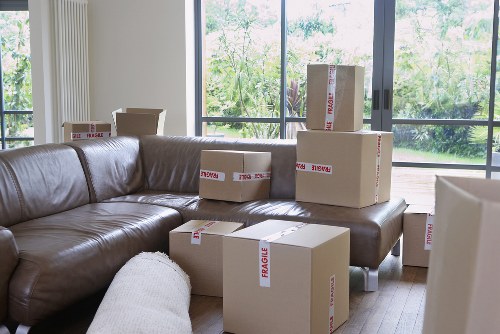
When customers enquire about storage, they often want to know exactly what is included. The answer depends on the provider and the type of service, but a good local arrangement should be clear, practical, and suitable for the items being stored. The aim is to reduce hassle and make the process manageable from the first enquiry to the day you collect your belongings again.
Depending on your needs, the service may involve collection, loading support, transport, storage space, and later return. Some customers arrange a simple drop-off, while others prefer a fuller hands-off service where items are collected from a home or business, moved carefully, and stored securely until needed again. This can be especially useful for bulky items, fragile goods, or customers with limited time.
What customers commonly expect
- Clear explanation of storage options
- Support with selecting the right space or arrangement
- Careful handling of furniture and boxed goods
- Secure storage for personal or business items
- Flexible access or retrieval arrangements where available
- Transparent discussion of storage periods and practical requirements
Items commonly placed in storage
Household items: sofas, beds, wardrobes, tables, chairs, kitchenware, books, toys, and seasonal decorations.
Business items: files, sample stock, event materials, display items, tools, and office equipment.
Special items: artwork, antiques, collectibles, and other possessions that need extra care and sensible packing.
Good storage is not simply about space; it is about handling. Items should be packed, labelled, and moved in a way that makes them easier to retrieve later. If a customer in Dulwich needs a chest of drawers, a small number of archive boxes, or a set of chairs returned quickly, organised storage makes that possible without unnecessary searching or confusion.
How storage works in practice

Many people put off arranging storage because they expect it to be complicated. In reality, a well-run service should feel straightforward. The process generally starts with understanding what you need to store, how long you need the space for, and whether you need collection, transport, or help with loading. From there, the right solution can be matched to the job.
For residents in Dulwich, this practical approach matters because moving large or awkward items through local roads and residential entrances can take planning. If you live in a flat near busy junctions, a townhouse with limited front access, or a property with narrow hallways and stairs, it helps to work with a team that understands how to manage these conditions efficiently and carefully.
A simple step-by-step process
- Discuss your needs: explain what you want to store, for how long, and whether you need help with transport.
- Assess volume: estimate the number of boxes, pieces of furniture, or business items involved.
- Choose the arrangement: select the most suitable storage setup based on the item type and timescale.
- Prepare and label: pack items sensibly, label boxes, and separate essentials from non-essentials.
- Move items into storage: load and transport belongings with care to minimise risk of damage.
- Retrieve when ready: arrange collection or return when you need your items back.
Why process matters
A clear process saves time, protects belongings, and reduces stress. It also helps people feel confident about where their possessions are and how they can access them later. That is especially important for customers using storage during a move, when schedules can change quickly and plans may need to adapt.
Some customers need storage for only a few weeks. Others need a longer-term arrangement for items they do not need every day but do not want to sell or discard. A flexible local service should be able to support both without making the customer feel locked into an unsuitable setup.
Why choose a local Dulwich storage provider

There are several good reasons to choose a local provider when arranging storage in Dulwich. The first is convenience. When your belongings are stored nearby, it is easier to coordinate drop-off, collection, or mid-storage access without crossing the city unnecessarily. That can be especially valuable if you are balancing work, family commitments, or a busy move.
Another benefit is local knowledge. Dulwich has a distinct layout, with a mix of residential streets, schools, commercial areas, and high-footfall routes. A local team is better placed to understand parking constraints, loading practicalities, and the timing pressures that often come with moving items in this part of South London. That experience can reduce delays and help things run more smoothly on the day.
Local advantages customers appreciate
- Shorter travel time for drop-off and collection
- Familiarity with local roads and parking conditions
- More practical support for flats, houses, and business premises
- Better fit for urgent or short-notice storage needs
- Useful for customers in nearby areas as well as Dulwich itself
Local companies are also more likely to understand the everyday realities of storage for real people, rather than treating every customer like a generic case. Someone moving out of a family home in West Dulwich, for example, may have very different needs from a small shop in East Dulwich, or a freelancer working from a home office in Herne Hill. A tailored discussion makes the service more useful.
Book your service now if you want a storage arrangement that feels manageable, nearby, and designed around your actual circumstances. The right local support can make a demanding week feel much more under control.
Storage for homes, flats, and family properties
Dulwich contains a wide variety of property types, and each presents its own storage challenges. Family homes often have lots of belongings but limited built-in space. Flats may have restricted access, smaller rooms, and shared entrances. Converted properties can be awkward for moving furniture in and out. These are precisely the situations where storage can make a noticeable difference.
For homeowners, storage often works best when it is used strategically. It can keep one or two rooms clear during a renovation, prevent overcrowding during a house move, or create a calm environment while you decide what to keep, sell, donate, or return to the home later. Instead of living around boxes, you can use storage to create order.
Families in Dulwich often store items such as prams, play equipment, spare furniture, sports gear, nursery furniture, and boxes of belongings that are too important to throw away but not needed every day. Because family life changes quickly, the ability to add or remove items over time is often just as valuable as the storage space itself.
Practical points for residential customers
- Measure large furniture before moving day if you want to store only selected items.
- Keep a list of what is going into storage so you can find things later.
- Separate essentials from long-term belongings before packing.
- Use sturdy boxes and protective materials for fragile pieces.
- Label everything clearly, especially items you may need first when retrieving them.
When people arrange storage in Dulwich for residential use, they are often trying to make a home work better for the present moment. That might mean clearing space for a new baby, making room for remote working, preparing for guests, or simply reducing clutter. In all these cases, the aim is the same: a more comfortable, functional home.
Storage for businesses and commercial customers
Commercial customers have very different needs from households, but they benefit from the same core advantages: extra space, better organisation, and fewer items taking up valuable floor area. For a business, storage can support growth, seasonal demand, and day-to-day operations without forcing a move to larger premises too soon.
In Dulwich and the surrounding area, business storage is often used by retailers, service firms, tradespeople, event planners, designers, and office-based businesses. Stock, paperwork, exhibition materials, tools, and equipment can all be stored off-site until needed. This can help keep a work environment tidy, professional, and easier to manage.
Examples of commercial storage needs
- Holding overflow stock during busy trading periods
- Storing trade tools and equipment between jobs
- Keeping archive documents in order without cluttering an office
- Storing exhibition stands or event materials
- Managing business expansion without taking on immediate extra premises
For local businesses, storage in Dulwich can also improve efficiency. If staff spend less time searching for equipment and less time navigating crowded rooms, they can focus on serving customers and completing work. Small improvements in organisation often make a noticeable difference over time.
Businesses often find it helpful to separate storage into categories before moving items in: stock, equipment, paperwork, and seasonal materials. This makes future access much easier and reduces the chance of losing track of important items.
How to prepare items for storage
Good preparation is one of the easiest ways to protect your belongings. Whether you are storing a few boxes or the contents of an entire room, packing carefully can reduce damage, save time, and make retrieval much simpler. It also helps if you need to access specific items while the rest remain in storage.
Start by sorting items into categories. Keep similar things together and decide what needs extra protection. Fragile items should be wrapped individually. Furniture may need covers or padding. Paperwork should be kept dry, neat, and clearly labelled. If something could be damaged by pressure, moisture, or impact, take extra care with how it is packed and where it is placed.
Preparation checklist
- Use strong boxes in good condition
- Wrap fragile items separately
- Disassemble furniture where practical
- Keep screws, fittings, and small parts in labelled bags
- Label every box on more than one side
- Avoid overfilling boxes with heavy items
- Keep an inventory of what goes into storage
- Store important documents and valuables with extra care
It is also sensible to think about access. Items you may need sooner should be easier to find. Seasonal goods, archive boxes, or spare furniture can be placed in a way that reflects how likely you are to use them. If you are storing the contents of a home during a move, separate essentials such as bedding, tools, and a few kitchen items from less urgent possessions.
When customers prepare well, storage becomes much more efficient. That is especially true in Dulwich, where many people are dealing with busy schedules, family commitments, or property work alongside the move itself. A little planning can save a lot of stress later.
Pricing factors and what affects the cost
Customers often want to know what influences storage cost before they commit. While exact prices vary and should always be discussed with the provider, there are several common factors that shape the overall arrangement. Understanding these can help you choose storage that is sensible for your needs and avoid paying for more than you require.
The main elements usually include the amount of space needed, the length of time items will be stored, whether collection and return are included, and the type of items being stored. Bulky furniture, fragile possessions, or heavy business equipment may require more careful handling and more planning. Short-term arrangements can differ from longer-term ones as well.
Factors that may influence pricing
- Volume of items or number of boxes
- Size of furniture and other large possessions
- Length of storage period
- Need for transport, loading, or unloading support
- Special handling requirements for delicate items
- Ease of access to the pickup and delivery location
It is often helpful to describe your items in detail when asking for a quote. For instance, “two sofas, one dining table, eight boxes, and three office chairs†is more useful than simply saying you need some space. The clearer the information, the easier it is to suggest the right arrangement. If you are storing a whole room’s contents, it can also help to list major pieces separately from the smaller items.
Request a free quote when you are ready to compare options based on your actual needs. A practical quote should feel specific, transparent, and relevant to the items and timescale involved.
Areas covered around Dulwich
Local storage customers are rarely limited to one postcode or one neighbourhood. Many people in and around Dulwich need the same service for different reasons, whether they are in a house near Dulwich Village, a flat in East Dulwich, or a business base closer to West Dulwich. Nearby areas also often rely on the same practical support, especially when moving items between homes, offices, or temporary premises.
Typical nearby locations that may benefit from a local storage service include Herne Hill, Camberwell, Peckham, Forest Hill, Sydenham, Honor Oak, and parts of Brixton and Nunhead. For customers in these places, a nearby storage option can be easier to access than one on the far side of London, particularly when large or numerous items are involved.
Why area coverage matters
When storage is local to the area where you live or work, it is simpler to manage last-minute changes, unexpected delays, and repeat visits. That matters if you need to add more items later, remove a few boxes, or coordinate around a property chain, a renovation schedule, or business stock movements. In short, local reach can make an already stressful process much more manageable.
People often underestimate how much time is lost when storage is far away. A nearby provider cuts down on travel and can make planning more predictable. That is one reason local customers tend to value storage in Dulwich and the surrounding neighbourhoods: it fits into daily life more naturally.
Frequently asked questions
How long can I keep items in storage?
Storage periods vary depending on your needs. Some customers only need a short-term arrangement for a move or renovation, while others keep items stored for months or longer. The best option is the one that suits your situation and gives you flexibility if plans change.
Can I store furniture and boxes together?
Yes, many customers store mixed items. It is helpful to plan the layout carefully so boxes do not crush delicate items and furniture is protected from scratches or pressure. Labelled boxes and a clear inventory make mixed storage much easier to manage.
Do I need to pack everything myself?
That depends on the arrangement you choose. Some customers prefer to pack their own belongings, while others want help with loading and transport. If you have fragile, awkward, or heavy items, discussing the best approach in advance is a good idea.
Is storage suitable for business inventory?
Yes. Many commercial customers use storage for stock, tools, equipment, marketing materials, and documents. It can be a practical way to keep the workplace free from clutter and support business growth without needing immediate extra office or shop space.
What should I do before moving items into storage?
Sort and label your belongings, make sure boxes are strong, protect fragile items, and keep an inventory. If possible, separate the things you may need access to first. Good preparation makes retrieval much easier later.
Can storage help during a house move?
Absolutely. Many people use storage when completion dates do not line up, when they are downsizing, or when they need to clear space before moving day. It can reduce pressure and give you more control over the move.
If you have more specific questions about your own belongings, it is usually best to speak through the details before booking. That way, you can choose a solution that fits your items, your timing, and your access needs.
Making the right choice for storage in Dulwich
Choosing storage is about more than finding space. It is about trust, convenience, and making sure the arrangement matches what you actually need. A good local service should respect your time, handle your belongings carefully, and give you a straightforward way to store and retrieve items without unnecessary hassle.
For Dulwich customers, the value of local storage often lies in practicality. You may be balancing a family move, a renovation, a busy workweek, or a business stock problem. The right storage arrangement helps you take control of the clutter, protect your possessions, and keep moving forward without feeling overloaded.
Contact us today if you want to talk through your storage needs, ask about collection and access, or arrange a quote for your household or business items. If you are ready to clear some space and simplify your next step, book your service now.
From one-off short-term use to longer storage arrangements, the aim is always the same: making life a little easier, your space a little more open, and your belongings a lot more manageable. That is why storage in Dulwich remains such a useful service for local residents and businesses alike.
Final thought
When space starts to feel limited, a sensible local storage solution can bring back order, flexibility, and peace of mind. If you live or work in Dulwich, now is a good time to explore the option that fits your situation best.