
Moving in Dulwich Village SE21 guide for house removals
Posted on 30/06/2026
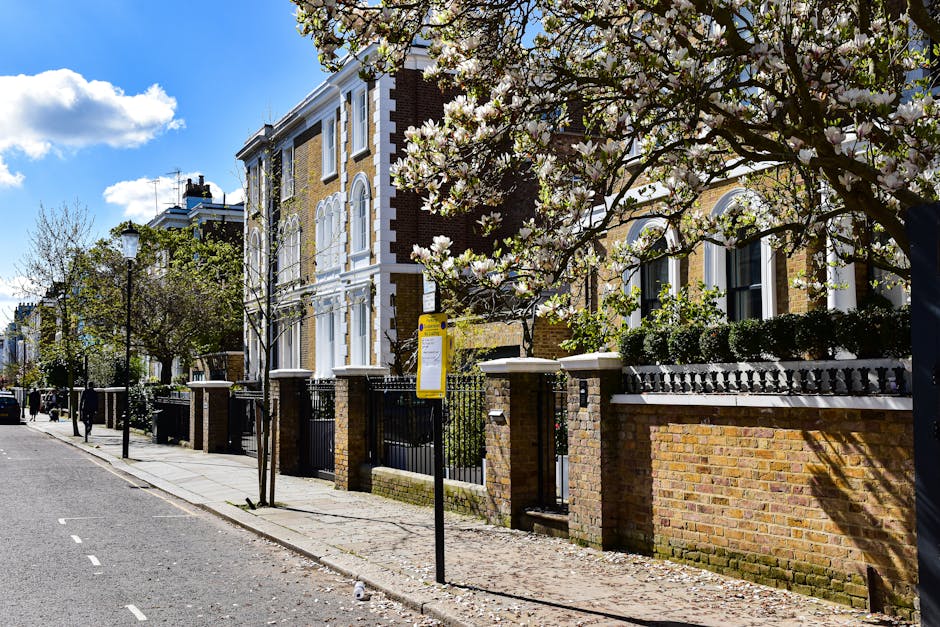
If you are planning a move in Dulwich Village SE21, you already know this part of south London has its own rhythm. The streets can feel calm and leafy one minute, then busy with parked cars, school runs, and narrow access the next. That mix is exactly why a good Moving in Dulwich Village SE21 guide for house removals matters: it helps you avoid the little problems that turn moving day into a long, awkward slog.
In this guide, we will walk through how house removals in Dulwich Village usually work, what to expect, where people get caught out, and how to plan a smoother move without losing your head over boxes. You will also find a checklist, a comparison table, and a realistic example from a typical local move. Nothing flashy. Just useful, grounded advice you can actually use.
Why Moving in Dulwich Village SE21 guide for house removals Matters
Dulwich Village is one of those places where a move looks straightforward on paper and then quietly becomes more complex in the real world. The roads are not impossible, but they can be tighter than people expect. Parking may be limited near the property. Front gardens, steps, shared access, and family-sized furniture all add small layers of difficulty. A move that works well elsewhere in London can still feel clumsy here if you do not plan carefully.
That is why local knowledge is so valuable. A removal team that understands the area can plan the right vehicle size, choose the right arrival window, and think ahead about access. In our experience, those small decisions save more time than any fancy packing trick. They also reduce stress, and let's face it, moving already has enough of that.
For homeowners, tenants, downsizers, upsizers, and landlords, the main goal is simple: protect your belongings and get from one address to the other without the day dragging on. The right approach also helps keep costs sensible, because delays and repeated trips tend to push bills up.
If you are comparing removal companies in Dulwich, the local difference usually shows in how they handle access, protection, and timing. It is not just about lifting boxes. It is about reading the job properly before a single item moves.
How Moving in Dulwich Village SE21 guide for house removals Works
A house move in Dulwich Village generally follows the same broad pattern as anywhere else in London, but with more attention to detail around access and timing. The process usually starts with an enquiry or survey, followed by a quotation, a packing plan, moving day logistics, loading, transport, unloading, and then a final check at the new property.
For smaller homes or lighter loads, people often look at a flexible service such as a man and van option in Dulwich or a tailored man with a van service. For larger family homes, the job may need a bigger crew, more packing materials, and a full removal vehicle. Truth be told, trying to squeeze a three-bedroom move into a tiny van can become a comedy for all the wrong reasons.
Here is the usual flow:
- Survey or quote request: You explain the property size, furniture, access, and any special items.
- Plan the move: The team decides crew size, vehicle size, and likely timings.
- Packing and preparation: Items are boxed, wrapped, labelled, and grouped by room.
- Moving day: The team protects floors and furniture, loads in a sensible sequence, and transports everything safely.
- Unloading and placement: Boxes and furniture are taken to the correct rooms, which makes unpacking far less painful later.
For many households, the most useful support comes before the van even arrives. If you need help with materials, the local packing and boxes service can take some of the pressure off and keep the move organised from the start.
One thing people often underestimate is how much a move depends on sequencing. Heavy items first? Sometimes, yes. But not always. Fragile items, awkward items, and everyday essentials all need a plan too. A good removals team thinks about the order of loading and unloading almost as much as the boxes themselves.
Key Benefits and Practical Advantages
The best thing about working through a proper moving plan is that it makes the whole process feel less chaotic. You still have to deal with the realities of moving house, of course. Boxes everywhere. A kettle you need sooner than expected. That one chair that seems to catch on every doorway. But the day becomes manageable.
- Less wasted time: Clear planning reduces repeated trips and last-minute searching.
- Lower risk of damage: Proper wrapping, lifting, and loading help protect furniture and walls.
- Better cost control: A more efficient move is usually a more cost-effective move.
- Less stress: When rooms are labelled and priorities are set, you are not making decisions under pressure.
- Safer handling: Professional movers use practical techniques for bulky or heavy items.
There is also a local advantage. Dulwich Village homes often have character features, stairs, older layouts, or tighter access points. That is lovely for living, less lovely for moving. Local removals experience makes a real difference when furniture has to be angled carefully through a hallway or carried a little farther than expected.
If you are moving from a flat, a family house, or something in between, it can also help to look at the broader services overview so you can match support to the size and complexity of the move.
Practical takeaway: in Dulwich Village, a smooth move is usually the result of small sensible choices rather than one big dramatic one. Get the timing right, protect the furniture properly, and be honest about access. That alone solves a lot.
Who This Is For and When It Makes Sense
This guide is useful for anyone moving home in SE21, but it is especially relevant if your move includes one or more of these situations:
- You are moving within Dulwich Village and want a local, efficient service.
- You are upsizing into a family home and have more furniture than expected.
- You are downsizing and need help sorting, packing, or storing items.
- You are moving from a flat with stairs, limited parking, or awkward access.
- You have large, fragile, or specialist items that need careful handling.
- You need a fast turnaround because of completion dates, tenancy deadlines, or work commitments.
It also makes sense for people who simply do not want to turn moving day into a DIY project. Some people enjoy packing. Fair enough. Many do not. If you would rather focus on the new place, the paperwork, or the kids, bringing in help can be the most sensible decision you make all week.
Students and smaller households may prefer a more compact option, while larger households may need a fuller service. If you are in the latter group, a dedicated house removals service in Dulwich is often the better fit. For lighter or smaller-scale moves, man and a van in Dulwich may be enough. The right answer depends on what you are moving, not just where you are moving from.
Step-by-Step Guidance
Here is a practical way to approach the move without overcomplicating it. Small steps. Clear order. No heroic nonsense.
1. Start with a realistic inventory
List the main furniture, the number of boxes, and anything awkward such as mirrors, artwork, TVs, garden items, or gym equipment. If you own a piano, that needs specialist handling, not guesswork. If the inventory feels a bit tedious, that is normal. It is still worth doing properly.
2. Check access at both properties
Look at parking, distance from the front door, stairs, lifts, narrow hallways, and any restrictions around unloading. In Dulwich Village, a vehicle that can park closer to the property can save a surprising amount of time. A few extra metres of carrying can matter more than people think.
3. Decide what to pack yourself
Many people pack clothing, books, and non-fragile household items themselves, but leave bulky or delicate things to the removals team. If you want a better split, this is where proper planning pays off. You do not need to pack the entire house in one frantic weekend. Please, no.
4. Book the right level of support
Match the service to the move. A small one-bed flat move is different from a four-bed family house, and the vehicle or crew size should reflect that. If you want a better sense of service types, the removal services in Dulwich page is a useful starting point.
5. Prepare essentials for the first night
Keep a clearly labelled box or bag with toiletries, chargers, tea bags, kettle items, medication, keys, a change of clothes, and bedding. Moving day gets easier when you are not hunting for toothpaste at 10 p.m. in a half-empty kitchen.
6. Confirm timings and contact details
Make sure everyone knows arrival windows, access notes, and who has the final say on the day. A simple text the night before can prevent a silly mix-up. Small thing, big difference.
7. Unpack in a sensible order
Put beds together first if possible. Then kitchen basics. Then the things you use every day. Decorative pieces can wait. The house does not need to look perfect by evening. It just needs to function.
Expert Tips for Better Results
After enough moves, a few patterns become obvious. The smoothest ones are rarely the most expensive. They are the best prepared.
- Label by room and priority: Write the destination room and whether the box is "urgent", "day one", or "can wait".
- Use consistent box sizes: Too many random boxes make stacking harder and increase the chance of damage.
- Disassemble furniture early: Beds, tables, and shelving often take longer than expected. Do not leave it until the last hour.
- Keep screws and fittings together: A small sealed bag taped to the furniture works surprisingly well.
- Protect high-value items separately: Jewellery, documents, passports, and sentimental bits should travel with you.
- Plan for weather: A damp morning or a sudden shower can make floors slippery and cardboard weaker. Annoying, but manageable.
A small practical tip that saves hassle: photograph cable setups before you unplug anything. It feels a bit overcautious at the time, then you get to the new place and realise it was exactly the right idea.
If your move includes anything delicate or unusually heavy, like a grand piano, that is the point to use specialist help rather than improvising. You can also look at piano removals in Dulwich if that situation applies.
And if you are moving furniture that needs careful wrapping and handling, the local furniture removals service can make the job far less stressful. Not glamorous, but very useful.
Common Mistakes to Avoid
Moving mistakes are often quite ordinary. That is what makes them so frustrating. They are the kind of things you only notice when the van is already outside and everyone is a bit too warm.
- Underestimating access: A property that looks easy to reach on a map may be awkward on foot.
- Packing too late: Rushed packing leads to broken items and missing essentials.
- Not checking what is included: Some services include loading and unloading, while others are more limited.
- Ignoring storage needs: If completion dates do not line up, temporary storage may be the simplest solution.
- Forgetting insurance questions: You should know what is covered and what needs special care.
- Leaving parking arrangements to chance: This one causes more headaches than people expect.
Another common mistake is choosing a service purely on price. Cheap is not always bad, but it is rarely the whole story. Ask what happens if the move runs late. Ask how fragile items are handled. Ask whether a suitable vehicle is included. Basic questions, yes. But they matter.
If you are comparing providers, it can help to read about removals in Dulwich alongside the company's insurance and safety information. That gives you a more realistic picture than price alone ever will.
Tools, Resources and Recommendations
You do not need a toolkit the size of a hardware shop. A sensible moving kit, a few strong boxes, and good labels go a long way.
| Item | Why it helps | Best used for |
|---|---|---|
| Strong boxes | Stack better and reduce the chance of collapse | Books, clothes, kitchenware, mixed household items |
| Bubble wrap or paper | Cushions fragile items and fills empty space | Glass, ceramics, lamps, framed pieces |
| Labels and marker pens | Makes unloading and unpacking much easier | Room-by-room organisation |
| Furniture blankets | Protects surfaces during loading and transit | Tables, wardrobes, appliances |
| Mattress covers | Helps keep bedding clean during the move | Bedrooms and overnight setup |
For readers who want a broader sense of what can be arranged, the removal van in Dulwich and man with van in Dulwich pages can help you compare practical options. If your move needs short-term flexibility, the storage in Dulwich service is also worth noting.
You may also want to check broader service information through the services we provide page, especially if your move includes packing support, specialist items, or last-minute changes. And yes, changes happen. A completion time shifts, the chain gets delayed, or the sofa suddenly becomes a puzzle. That is just moving life.
Law, Compliance, Standards, or Best Practice
House removals are practical work, but they still sit within a framework of safety, insurance, customer care, and fair service expectations. You do not need to know every detail, but you should expect clear communication, sensible handling of property, and a straightforward approach to any risks.
Good practice usually includes:
- careful lifting and carrying to reduce injury risk;
- protection for floors, bannisters, doors, and furniture where appropriate;
- clear agreement on what is being moved;
- transparent payment terms;
- appropriate insurance and safety procedures;
- reasonable care with fragile, heavy, or high-value items.
It is also sensible to check service terms before booking. That includes cancellation rules, payment timing, and any special conditions around access or delays. If a company has a clear terms and conditions page and a sensible payment and security explanation, that is usually a good sign they take the admin side seriously too.
For people who value ethical and safe operations, supporting information such as a health and safety policy, accessibility statement, and recycling approach can be reassuring. Not flashy, maybe. But it shows the business is thinking beyond the moving van itself.
And if something ever goes wrong, a proper complaints route matters. Not because you expect trouble, but because it is better to know where you stand. That is just common sense.
Options, Methods, or Comparison Table
Different moving methods suit different households. Here is a simple comparison to help you narrow things down.
| Option | Best for | Strengths | Watch-outs |
|---|---|---|---|
| Man and van | Small moves, single-room loads, lighter house moves | Flexible, often quick to arrange, suitable for smaller volumes | May not suit large family homes or very heavy loads |
| Full house removals | Two- to four-bedroom homes, full contents moves | More support, better for complex or bulky moves | Usually requires more planning and a larger budget |
| Same-day removals | Urgent situations, short notice, chain delays | Fast response, useful when timing is tight | Availability can be limited and planning window is shorter |
| Storage plus move | Delayed completions or temporary overflow | Reduces pressure when dates do not line up | Needs extra coordination and an additional step |
If you are not sure which route suits your home, a quick review of the available same day removals in Dulwich, man with a van service, and house removals in Dulwich can help you compare options properly. The point is not to choose the biggest service. It is to choose the right one.
Case Study or Real-World Example
Imagine a couple moving from a three-bedroom Victorian terrace near Dulwich Village into a slightly smaller property nearby. Not a huge cross-London relocation. Just close enough to feel easy, which is exactly where people sometimes get a bit casual.
At first glance, the move seems straightforward. The couple has a sofa, dining table, beds, books, bikes, several lamps, and an awkward sideboard inherited from a relative. The street outside is fairly narrow, parking is limited, and there is not much room to leave a large vehicle standing for long. They originally planned to do the move with a borrowed van and a few friends. Classic idea. Slightly optimistic, too.
Once they looked more closely, they realised a few things:
- the sideboard would need careful manoeuvring;
- the beds would need dismantling;
- the new property needed room-by-room unloading;
- they wanted some boxes packed professionally because of time pressure;
- a short-term storage option would help with overflow items.
By using a more structured removals plan, they reduced the number of journeys, avoided damage to the sideboard, and had a much easier first night in the new home. The move still took effort - moving always does - but it felt controlled rather than chaotic. That is usually the real win.
This kind of job is exactly where a local service can shine, especially when handled by people who understand the shape of Dulwich streets and the practicalities of family-home removals.
Practical Checklist
Use this checklist in the final week before moving day. It is simple on purpose.
- Confirm moving date, access details, and arrival window.
- Measure large furniture and check doorways, stairs, and hallways.
- Set aside items you will carry personally.
- Pack a first-night box with essentials.
- Label all boxes by room and priority.
- Dismantle furniture that needs it.
- Protect fragile items with proper wrapping.
- Keep keys, documents, and valuables separate.
- Arrange parking or loading access where needed.
- Check whether storage, packing help, or specialist handling is required.
- Review service terms, payment details, and insurance information.
- Do a final walk-through before leaving the old property.
A tiny but important tip: keep a bin bag, a cloth, and a roll of tape within easy reach. On moving day, these three things somehow become more valuable than gold.
Conclusion
Moving home in Dulwich Village SE21 does not need to feel overwhelming. With a practical plan, a clear inventory, sensible packing, and the right kind of removals support, the day becomes much easier to manage. The key is to match the service to the property, the access, and the amount of work involved. That is what keeps the process calm, efficient, and far less stressful than it could be.
Whether you are moving a small flat, a family house, or a home with a few tricky items, the best results usually come from preparation and local know-how. Keep the essentials simple, ask the right questions, and do not leave the awkward bits until the last minute. You will thank yourself later, honestly.
Get a free quote today and see how much you can save.
If you are ready to take the next step, use the information above to choose the right support, then move forward with confidence. A good move is not just about getting everything from A to B. It is about arriving at your new home with your sanity mostly intact, which is no small thing.


