Lordship Lane access tips for Dulwich man and van removals
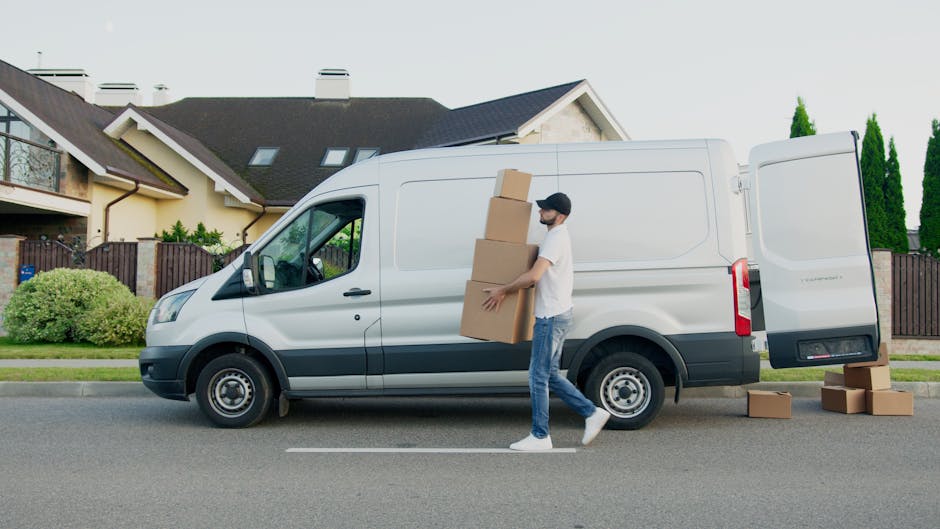
If you are planning a move around Lordship Lane, the difference between a smooth day and a stressful one often comes down to access. Tight kerbs, busy school runs, parked cars, loading pressure, and awkward stairwells can all turn a simple job into a slow one. These Lordship Lane access tips for Dulwich man and van removals are designed to help you avoid the usual headaches and make the move feel properly under control from the first box to the last.
Whether you are shifting a flat, clearing a house, moving a few bulky items, or booking a flexible man with a van service, access planning matters. A bit of forethought can save time, reduce damage risk, and keep everyone calmer. And let's face it, moving day is busy enough already.
This guide walks through the real-world access issues you are likely to meet on Lordship Lane, how a good Dulwich removals team handles them, what to prepare in advance, and where people usually go wrong. If you want the practical version rather than the polished brochure version, you are in the right place.
- Why Lordship Lane access tips matter
- How access planning works on moving day
- Key benefits and practical advantages
- Who this is for and when it makes sense
- Step-by-step guidance
- Expert tips for better results
- Common mistakes to avoid
- Tools, resources and recommendations
- Law, compliance, standards and best practice
- Options, methods, or comparison table
- Case study or real-world example
- Practical checklist
- Conclusion
- Frequently asked questions
Why Lordship Lane access tips for Dulwich man and van removals Matters
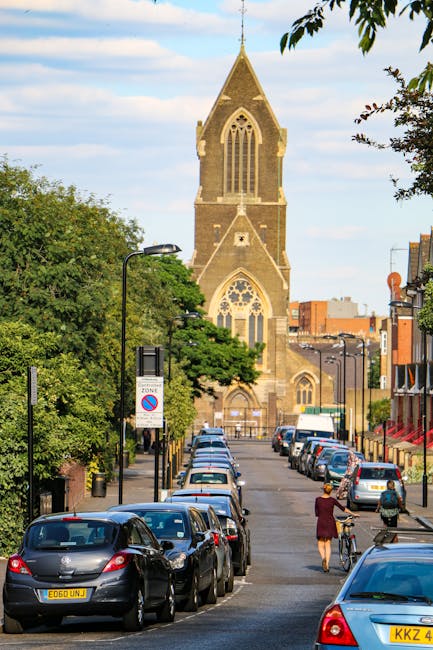
Lordship Lane is one of those Dulwich roads where the character is part of the appeal, but the same things that make it lively can make removals fiddly. There can be a lot going on: traffic, shoppers, deliveries, parked vehicles, narrow sections, and the usual London mix of timing pressure and limited stopping space. If you are moving with a man and van setup, access is not just a small detail. It shapes the whole job.
A van that cannot stop close enough to the property means longer carries, more back-and-forth, and more chance of strain or accidental knocks. A poorly timed arrival can leave your crew boxed in behind traffic or blocked by a delivery vehicle. Even a ten-minute delay can ripple through the rest of the schedule. That is why smart access planning is one of the most useful things you can do before moving day.
For many customers, the main aim is simple: keep the move efficient, safe, and predictable. If that sounds like you, access planning is your best friend. It also helps when comparing services. A professional team offering removals in Dulwich or a smaller-scale man and a van in Dulwich should be able to discuss parking, loading, building entry, and timing before the job begins, not after the van is already on site.
Expert summary: On Lordship Lane, access planning is not about making the move complicated. It is about removing avoidable friction so the crew can do the lifting, not spend the day improvising around preventable obstacles.
How Lordship Lane access tips for Dulwich man and van removals Works
The basic idea is straightforward: you match the vehicle, timing, and loading plan to the actual street conditions and property layout. In practice, that means looking beyond the postcode and thinking about how the van will arrive, where it can pause, how items will leave the property, and how far they will travel from door to vehicle.
Good access planning usually starts with a short assessment. That might include a few photos, a quick call, or a simple discussion about the building and the street. The questions are practical:
- Can the van stop outside, even briefly?
- Is there room to open doors and load safely?
- Are there steps, narrow hallways, or tight corners?
- Will furniture need to be carried over a long distance?
- Are there parking restrictions, busier periods, or shared entrances?
On Lordship Lane, those questions matter because the same move can behave very differently depending on the building and the time of day. A ground-floor flat with decent frontage is a different proposition from a top-floor apartment with no lift and a long carry to the nearest safe stopping point. Obvious? Maybe. But the number of moving-day surprises suggests people still underestimate it.
If you are booking through man and van Dulwich or arranging broader support via services overview, the access conversation should happen early. That way the team can choose the right vehicle size, set realistic timings, and decide whether extra hands, packing help, or temporary storage might be sensible.
In other words: access planning is the invisible part of a successful move. You do it once, properly, and it saves you from three different problems later on. Simple, but very effective.
Key Benefits and Practical Advantages
There are a few clear reasons to spend time on access planning before moving around Lordship Lane. None of them are glamorous. All of them matter.
1. Faster loading and unloading
The shorter the carry between the front door and the van, the quicker the job tends to go. That makes the whole move more efficient and can reduce the time spent on the clock if your booking is time-based.
2. Lower risk of damage
Long, awkward carries through narrow hallways or busy pavements increase the chance of a bump, scrape, or dropped item. Better access means fewer touchpoints and less room for things to go wrong.
3. Less physical strain
Truth be told, moving is tiring even when everything goes smoothly. Shorter routes and sensible positioning help protect both the movers and your belongings.
4. Better timing on a busy street
Lordship Lane can be lively, especially during busier parts of the day. A well-planned arrival window reduces the risk of standing around while traffic shifts or a loading space becomes available.
5. More accurate quotes
Access details help removal teams estimate labour, vehicle size, and duration more accurately. That gives you better expectations before moving day and helps avoid last-minute surprises. If you are comparing options, checking man with van rates can be useful, but only once the access picture is clear.
There is also a quieter benefit: peace of mind. When the access plan is sorted, you stop second-guessing the move every five minutes. That is a real relief, especially if you are juggling keys, cleaners, family members, or a completion deadline.
Who This Is For and When It Makes Sense
Lordship Lane access tips are useful for almost anyone moving in or around Dulwich, but they are especially helpful in a few common situations.
- Flat movers: If you are in a maisonette, apartment block, or upper-floor flat, access details can make or break the day.
- House removals: Homes with narrow front paths, tight drives, or limited on-street space benefit from a more careful plan.
- Students and renters: Smaller moves can still be awkward if access is poor, especially with shared entrances or short notice timings. See student removals Dulwich for a flexible option.
- Businesses and home offices: Furniture, monitors, filing, and boxed equipment are easier to move when the van can park sensibly. A useful starting point is office removals in Dulwich.
- Bulky-item moves: Sofas, wardrobes, pianos, and other awkward items need a clear route and enough manoeuvring space. For heavier specialist items, you may want to look at piano removals Dulwich.
It also makes sense if you are planning a same-day job, because speed and access become even more tightly linked. A decent team can still move quickly, but only if they are not fighting the street layout all afternoon. If timing is tight, same-day removals in Dulwich may still work well, but you will want access details nailed down from the start.
To be fair, even people who have moved before often forget the access side. They remember boxes, tape, and keys. They forget the obvious question: where exactly is the van going to stop?
Step-by-Step Guidance
Here is a practical way to handle Lordship Lane access without overcomplicating things.
- Walk the route from the property to the street. Don't just look from the door. Actually follow the route with your eyes and note tight corners, low steps, awkward doors, and anything fragile.
- Check the loading position. Identify the closest realistic place the van can stop. Closer is usually better, but safe and legal always come first.
- Think in terms of carry distance. A short carry can save a lot of time. If the van cannot park directly outside, work out how far items will need to travel.
- Photograph the entrance. A few clear photos of the front door, hallway, stairwell, and road frontage help the mover understand the job properly.
- Separate awkward items. Large mirrors, plants, bikes, or disassembled furniture should be flagged early so they can be loaded in the right order.
- Time the move sensibly. Early mornings are often calmer than the middle of the day. That said, every street behaves differently, so this is a judgement call rather than a rule.
- Protect entrances and flooring. If you are using your own team to move things from the flat to the van, lay down protective materials where needed.
- Keep key access details in one place. Building codes, intercom numbers, concierge instructions, and contact names should be easy to retrieve on the day.
If you are unsure whether your move needs extra planning, ask for a broader view of the job through removal services in Dulwich. That tends to be more helpful than trying to guess what the van team will need once they arrive.
And yes, take the lift if there is one. Unless it is tiny, old, and sulking. Then maybe don't.
Expert Tips for Better Results
These are the little things that usually separate a decent move from a smooth one.
Plan for the street, not just the property
Many people focus on the building and forget the outside environment. But on Lordship Lane, the street itself may be the biggest variable. Traffic flow, neighbours parking, food delivery vehicles, and general footfall can all affect loading.
Use a smaller van only if the access really demands it
Smaller vehicles can help in tighter spaces, but they are not always the most efficient option. If your furniture or boxes are substantial, too small a vehicle can mean multiple trips. A good mover will balance access and load size rather than defaulting to one approach. If you are deciding between vehicle setups, a removal van in Dulwich may be more suitable for larger loads than a minimal setup.
Pack by carry order
It sounds small, but it helps. Put the items you want out first nearest the exit, and group by weight or fragility. That way the team does not waste time searching for the next item while a space has opened up outside.
Keep the route clear for moving day
Doors propped open? Good. Hallway clear? Better. Slippers, plant pots, recycling bags, and random parcels moved out of the route? Excellent. You would be surprised how many delays come from tiny household clutter.
Be realistic about parking
If a van cannot stop legally or safely right outside, say so early. Do not assume it will "probably be fine." That kind of optimism has caused more moving-day chaos than anyone likes to admit.
For customers who want a more structured service with pricing clarity, the information on pricing and quotes can help you understand how the job is usually scoped. If you are comparing providers, this matters as much as the headline price.
Common Mistakes to Avoid
Most access problems are not dramatic. They are just avoidable. That is the annoying part.
- Assuming the van can stop anywhere: Not every stop is practical, legal, or safe. A quick assumption can lead to a long carry or a rushed re-parking decision.
- Leaving access notes until the day of the move: By then, the booking may already be set. Early communication helps the team prepare properly.
- Ignoring staircases and internal bottlenecks: A wide front door means little if the hallway turns sharply halfway in.
- Overpacking boxes: Heavy boxes slow everyone down and increase strain. Keep them manageable.
- Forgetting bulky items like bikes or bed frames: These often cause more access trouble than the boxes do.
- Not checking building rules: Some blocks have preferred access times, lift use rules, or concierge procedures. These are worth confirming in advance.
A very common one is underestimating how long loading takes on a busy road. Even if the actual move is not large, access can stretch the day. That is where flexible support from man and a van Dulwich can be a practical fit, particularly for smaller homes or partial moves.
If you are moving from a flat with mixed access challenges, you may also find flat removals Dulwich useful for understanding how a service is usually structured around stairs, lifts, and shared entrances.
Tools, Resources and Recommendations
You do not need specialist kit to plan access properly, but a few simple tools help a lot.
- Phone camera: Take photos of the street frontage, entrance, stairs, and any awkward corners.
- Measuring tape: Useful for checking door widths, stair turns, and furniture dimensions if something looks tight.
- Sticky notes or labels: These help mark what should come out first and what needs extra care.
- Notebook or notes app: Keep parking instructions, building codes, and timing notes in one place.
- Furniture blankets and protectors: Handy for preventing scuffs where the carry route is narrow or uneven.
For people who want a fuller move plan, it can help to look at packing and boxes Dulwich before moving day. Packing well is not just about neatness. It also affects how fast items can be loaded through a tight access point.
If you are moving valuables or items you cannot easily replace, it is worth checking insurance and safety and making sure you understand what the mover covers and what you should protect yourself. That small bit of reading can save a lot of stress later on.
And if your move is part of a wider life change, a good local overview can help too. The article a local's guide to life in Dulwich gives a useful sense of the area's everyday rhythm, which is handy when planning a route, timings, or settling in after the move.
Law, Compliance, Standards, or Best Practice
For removals around Lordship Lane, the key compliance points are usually practical rather than technical. You want a move that respects parking conditions, shared building rules, safe manual handling, and basic duty of care for property and neighbours.
Best practice usually includes:
- Safe loading: Items should be handled so they do not create hazards on the pavement, in the entrance, or inside the vehicle.
- Reasonable parking conduct: Vehicles should be positioned with care and in line with local restrictions and safety considerations.
- Clear communication: The customer and mover should understand access limitations before the day begins.
- Protective handling: Door frames, flooring, and furniture should be protected where needed.
- Respect for neighbours and shared spaces: Especially in flats or converted buildings, noise and obstruction should be kept to a sensible minimum.
If you are choosing between providers, it is worth checking a company's stated approach to safety and standards. A page such as health and safety policy can show how seriously a team thinks about risk, while terms and conditions help clarify the basics of the booking. That kind of transparency matters.
For ethical and operational confidence, some readers also like to review broader company information such as modern slavery statement, privacy policy, payment and security, and accessibility statement. Those pages do not move your sofa, obviously, but they do help you judge the professionalism of the business.
One practical note: if you believe a job may involve tricky access, say so plainly. A reputable removal team will not be offended. They would rather know upfront than discover it while carrying a wardrobe around a corner at 8:15 in the morning.
Options, Methods, or Comparison Table
Different moves on Lordship Lane call for different approaches. Here is a simple comparison to help you decide what fits best.
| Approach | Best for | Strengths | Trade-offs |
|---|---|---|---|
| Standard man and van | Small to medium moves, a few rooms, bulky-item transport | Flexible, often cost-conscious, good for straightforward access | May need careful timing if parking is limited |
| Man and a van with extra preparation | Flats, busy streets, mixed loads, limited carry routes | Better planning, more adaptable for awkward access | May cost more than a minimal service, depending on job size |
| Full removals support | Whole-house moves, larger furniture, more fragile items | More hands, better for complex access and heavy lifting | More coordination required |
| Short-notice same-day move | Urgent relocations, last-minute keys, deadline pressure | Fast response, can solve sudden problems | Less room for uncertainty; access must be explained clearly |
There is no single "best" option. The right choice depends on access, volume, and how much help you actually want on the day. If the move is bigger than expected, a broader service such as house removals Dulwich may end up being better value than trying to squeeze everything into a smaller setup. Funny how that works sometimes.
Case Study or Real-World Example
Here is a realistic example based on the kind of move people often make near Lordship Lane.
A couple were moving from a first-floor flat to a nearby house in Dulwich. On paper, it looked simple: not many rooms, no huge furniture, and a short distance between addresses. But the flat entrance opened onto a busy stretch where parking could disappear quickly, and the internal staircase inside the flat was narrow with a tight bend halfway down.
They did three things right. First, they took photos of the entrance and stairwell before booking. Second, they flagged a large sofa and a glass dining table as awkward items. Third, they agreed a quieter time window rather than trying to move in the middle of the busiest traffic period.
The result was not magical, just sensible. The van arrived with a clear picture of the access route, the items were loaded in the right order, and the whole job stayed steady rather than chaotic. Nothing dramatic happened. Which, honestly, is exactly what you want on moving day.
They also used temporary storage for a few items that were not needed immediately. That gave them more breathing room and avoided clutter at the new place. If that sounds familiar, storage Dulwich can be a useful part of the plan, especially when access or timing creates a gap between moving out and moving in.
That is the real lesson here: small access decisions can completely change how a move feels. You do not need perfect conditions. You just need a plan that matches the street and the building.
Practical Checklist
Use this before your move, and you will already be ahead of the game.
- Confirm the moving date and arrival window
- Take photos of the street frontage and entrance
- Check whether the van can stop safely and legally nearby
- Measure awkward doorways, stair turns, or lifts if needed
- List bulky items, fragile items, and anything unusually heavy
- Ask about parking, loading, and building entry rules
- Keep keys, codes, and contact numbers easy to hand
- Pack boxes so they are not too heavy to carry comfortably
- Protect floors and door frames where the route is tight
- Decide whether you need extra hands, storage, or specialist handling
If you are still weighing up the best approach, it can help to compare local providers through removal companies Dulwich and look at the range of support on offer. Not every move needs the same level of service, and that is perfectly fine.
Small note, but worth saying: write the access plan down. Memory is unreliable on moving day, especially once the kettle has gone and the day starts running faster than expected.
Get a free quote today and see how much you can save.
Conclusion
Lordship Lane access tips for Dulwich man and van removals are really about making the practical bits easier before the van even arrives. When you think through parking, carry distance, building layout, timing, and item size in advance, you reduce the chances of delay, damage, or last-minute panic. That is the whole point.
The best moves are rarely the ones with the fanciest planning. They are the ones where the basics are handled well: clear communication, realistic expectations, and a route that actually works in the real world. A little preparation goes a long way, especially on a busy London street.
If you want your move to feel calm rather than rushed, the smartest step is simply to plan the access properly and choose a service that understands the area. You will notice the difference immediately. And, by the end of the day, that is one less thing to worry about.
Frequently Asked Questions
What are the most important Lordship Lane access tips for Dulwich man and van removals?
The main tips are to check parking, measure awkward access points, photograph the route from door to van, and tell the mover about any stairs, lifts, or tight turns before moving day.
Do I need to arrange parking before a move on Lordship Lane?
Usually, yes, or at least confirm whether the van can stop safely and legally nearby. Even a short carry can change the whole job, so parking is worth sorting early.
Is a man and van service suitable for flats on Lordship Lane?
Often it is, especially for smaller loads or local moves. The key is being honest about stairs, shared entrances, and carry distance so the booking is set up properly.
How do I know if my access is too tight for a removal van?
If the street is narrow, parking is limited, or the building entrance is awkward, send photos and ask for a view. Most experienced movers can tell you quickly whether a standard setup will work.
What should I tell the removals team before moving day?
Tell them about parking, access restrictions, stairs, lifts, large furniture, fragile items, and any building rules. The more practical detail they have, the better they can prepare.
Can Lordship Lane removals work if the van cannot park directly outside?
Yes, but the move may take longer because of the extra carry distance. That is why it helps to plan the loading point in advance and choose the right service level.
Are same-day removals a good idea in busy parts of Dulwich?
They can be, but only if the access is straightforward or clearly explained. If timing is tight, a same-day move may still work, though a little preparation becomes even more important.
Should I choose a smaller van for better access?
Not automatically. Smaller vans can help in tight spaces, but they may require more trips. The best choice depends on the load, the street, and how much room you really have.
What are the biggest access mistakes people make when moving near Lordship Lane?
Common mistakes include leaving parking too late, underestimating stair difficulty, overpacking boxes, and forgetting to mention bulky items that need extra care.
Can storage help if access is awkward?
Yes. If your timing is split, your new place is not ready, or you need to reduce the load on moving day, storage can make the process much easier.
How do I get an accurate quote for a move with tricky access?
Share photos, item lists, timing details, and any parking concerns. A quote is only as accurate as the access information behind it, so the more honest you are, the better.
What if I am moving a bulky or fragile item like a piano or glass table?
Say so early. Bulky and fragile items need more planning, the right handling equipment, and sometimes a more specialist approach such as furniture removals Dulwich or piano removals Dulwich.
How far in advance should I plan access for a Lordship Lane move?
As soon as you know the moving date, really. Even a quick early conversation and a few photos can prevent avoidable issues later. In moving terms, early is usually calmer.