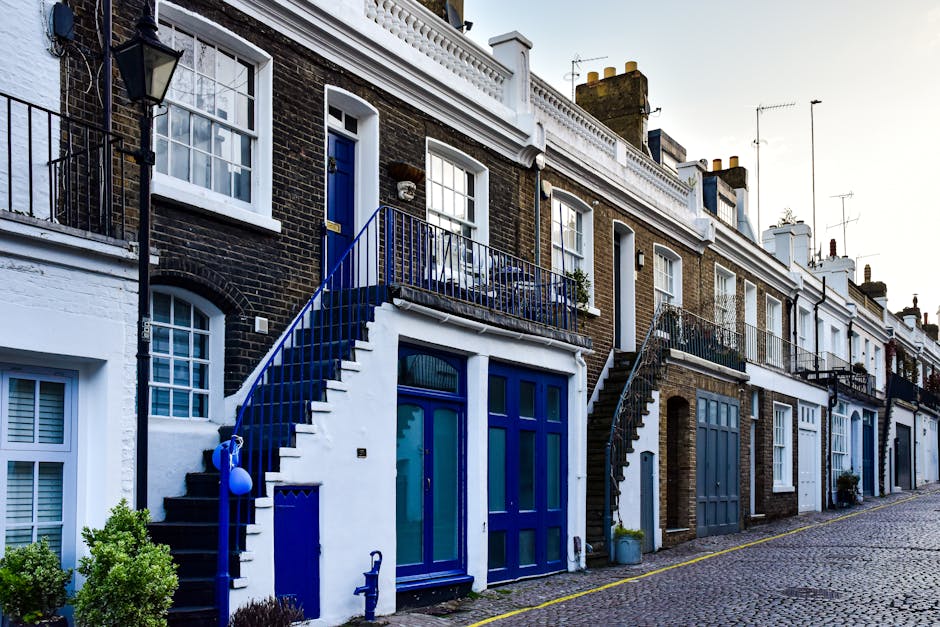
Difficult access removals in Dulwich narrow streets solutions
If you have ever tried to organise a move down a tight Dulwich road, you already know the problem: parked cars on both sides, narrow turning space, awkward front steps, and nowhere near enough room for a full-size lorry to breathe. That is exactly where Difficult access removals in Dulwich narrow streets solutions come in. The right approach can turn a stressful, stop-start move into something calm, measured, and far more manageable.
This guide breaks down what difficult access removals actually involve, why they matter so much in Dulwich, how a careful plan works in practice, and what to look for before you book. If your property sits off a busy lane, on a road with limited width, or somewhere that makes a standard removal truck feel like the wrong tool for the job, this will help you think clearly. And honestly, that first bit of clarity saves a lot of grief later.
We will also cover common mistakes, useful equipment, realistic expectations, and the practical checks that make a move safer and smoother. In short: fewer surprises, fewer wasted hours, less "we can't get the van down there" panic.
Expert summary: In narrow Dulwich streets, the best removal solution is usually the one that matches access conditions, parking realities, loading distance, and item type rather than simply choosing the biggest vehicle available.
- Understand what makes access difficult before moving day.
- Match vehicle size and handling method to the street layout.
- Use carrying plans, timing, and parking strategy to reduce delays.
- Protect people, property, and belongings with proper preparation.
Table of Contents
- Why Difficult access removals in Dulwich narrow streets solutions Matters
- How Difficult access removals in Dulwich narrow streets solutions Works
- Key Benefits and Practical Advantages
- Who This Is For and When It Makes Sense
- Step-by-Step Guidance
- Expert Tips for Better Results
- Common Mistakes to Avoid
- Tools, Resources and Recommendations
- Law, Compliance, Standards, or Best Practice
- Options, Methods, or Comparison Table
- Case Study or Real-World Example
- Practical Checklist
- Conclusion
- Frequently Asked Questions
Why Difficult access removals in Dulwich narrow streets solutions Matters
Dulwich has a lovely residential feel, but that charm often comes with access headaches. Roads can be narrow, parking can be tight, and some houses sit on layouts that look straightforward on paper but feel very different when you are trying to move a sofa through them. Add school-run traffic, delivery vans, or a neighbour's car parked just a little too close to the kerb, and you quickly see why proper planning matters.
The main issue is not just convenience. Difficult access changes the whole moving process. It affects the size of vehicle that can be used, where the team can park, how far items need to be carried, how long the job takes, and whether fragile or heavy items need extra handling. A normal removal plan may work perfectly on a wide suburban street, then fall apart in a narrow Dulwich lane. Not ideal, to say the least.
For homeowners, tenants, landlords, and local businesses, the stakes are practical as well as financial. Poor access can mean more labour time, more physical strain, greater risk of bumps and scuffs, and a move that drifts off schedule. On the other hand, a tailored access plan can cut stress significantly. You feel it on the day: less rushing, fewer awkward reversals, and a team that already knows where the pressure points are.
It also matters because narrow streets often require coordination. That may include parking arrangements, temporary loading space, timed arrivals, and keeping neighbours in mind. In busy parts of Dulwich, the move goes better when everyone understands the layout before the first box is lifted.
How Difficult access removals in Dulwich narrow streets solutions Works
At its simplest, the process starts with assessing access before anything is loaded. That means looking at the street width, turning radius, nearby parking, steps, gates, shared entrances, and the distance from property to vehicle. A good moving plan is shaped by those details. It sounds obvious, but in removals, the obvious bit is often the bit people skip.
In many difficult-access jobs, the solution is a combination of smaller vehicles, hand carry routes, phased loading, and careful parking positioning. For example, a large lorry might stay on a wider road while a smaller van does the final approach, or items might be moved in stages to avoid blocking the street. Sometimes the best answer is simply better timing, so the team arrives when traffic is lighter and roadside space is more available.
Good access removals also depend on protecting the route. Hallways, bannisters, floors, and door frames may need covering. Heavy items may need trolleys, straps, blankets, or two-person carries. Tight corners often mean a more deliberate pace, because brute force is rarely the answer. A slightly slower move that avoids damage is almost always the better deal.
There is also the question of communication. The team needs a clear picture of what is going, what is staying, and what is awkward. A piano, antique sideboard, American-style fridge, or awkward office cabinet changes the plan quite a lot. No two difficult access jobs are the same, which is exactly why cookie-cutter moving advice can be so unhelpful.
Key Benefits and Practical Advantages
When a move is planned properly around narrow-street access, the benefits are immediate and easy to feel.
- Lower risk of damage: Less squeezing through tight gaps means fewer scuffs on walls, doors, and furniture.
- Better timing: A realistic access plan helps the move stay on schedule instead of getting stuck in "just one more trip" territory.
- Safer handling: Smaller loads, shorter carry routes, and suitable equipment reduce the strain on everyone involved.
- Less disruption to neighbours: Thoughtful parking and loading keep traffic flow smoother and avoid unnecessary friction.
- More flexibility: Smaller vans and staged unloading can solve problems that a large truck simply cannot.
- Cleaner decision-making: Once access is understood, you can choose the right service with confidence rather than guesswork.
There is another advantage people do not always mention: peace of mind. If you are moving from a flat above a shop, a Victorian terrace with a narrow hallway, or a home tucked into a quieter Dulwich street, knowing the plan is realistic can take a surprising amount of pressure off. It is not glamorous, but it works.
In our experience, the best difficult-access moves feel almost uneventful on the day. That is the point. No drama, no last-minute scramble, no one standing in the road scratching their head while a wardrobe blocks the pavement. Nice and steady wins here.
Who This Is For and When It Makes Sense
This kind of removal solution is a strong fit if any of the following sound familiar:
- You live on a narrow road or a street with limited passing space.
- Your property has restricted frontage, steps, a steep path, or a tight entrance.
- Parking near the property is limited or heavily controlled.
- You are moving bulky furniture, appliances, or fragile items that need special handling.
- You are dealing with flats, maisonettes, or upper-floor homes where carrying distance matters.
- You need a smaller vehicle or a split-load approach rather than one large lorry.
It also makes sense for commercial moves where access is awkward, such as small offices, therapy rooms, studios, or shops in mixed-use parts of Dulwich. A business move can be more sensitive because timings matter, staff may need to keep working, and you cannot always block an entrance while you "just sort it out".
If you are deciding between a standard removal service and a more flexible man-and-van style solution, think about access first. Then think about item size, volume, and whether your road can realistically take a larger truck. That order matters. Really matters.
And if the property is in an especially busy area, a move that begins early in the day or outside peak traffic can be the difference between a smooth job and a tiring one. Sometimes timing is the hidden hero.
Step-by-Step Guidance
Here is a practical way to approach a difficult-access move in Dulwich without overcomplicating it.
1. Assess the street properly
Stand outside the property and look at the road as a vehicle would. Is there room to stop safely? Can a van turn without repeated manoeuvres? Is there a place to load without blocking driveways or corners? Take note of parked cars, lamp posts, low branches, and any pinch points. A quick walk outside with a tape measure or even phone photos can save a lot of guesswork.
2. Check the property itself
Look at stairs, hallways, door widths, thresholds, and any awkward bends. A move may fail not because the street is narrow but because a sofa cannot make the turn inside the building. That happens more often than people expect.
3. List the difficult items
Make a simple inventory of heavy, fragile, or awkwardly shaped belongings. Pianos, mirrors, glass tables, divan beds, large wardrobes, and office furniture deserve special attention. The team needs to know these items exist before the day, not halfway through.
4. Match the vehicle to the access
Smaller vehicles often make more sense on narrow streets. In some cases, a larger vehicle can still be used if it parks on a wider section nearby and items are transferred over a shorter distance. The right answer depends on the route, not the logo on the side of the van.
5. Plan parking and loading
Think about where the vehicle can legally and safely stop. If possible, reserve space through sensible timing or local parking arrangements. Even a few metres can make the difference between a neat loading zone and a stressful roadblock.
6. Protect the route
Use blankets, floor protection, and corner guards where needed. In tight spaces, one scratched wall can feel like a minor disaster. Better to prevent the issue than explain it after the fact.
7. Load in the right order
Items needed last at the destination should usually go in first. That keeps unloading efficient and avoids constant reshuffling. Careful stacking also matters because difficult-access jobs can mean more stops, more carries, and more opportunity for things to shift.
8. Keep communication open
Stay available during the move. If a route changes or a parking space disappears, quick decisions help. Nobody enjoys a moving day mystery tour.
That is the basic shape of it. Straightforward in theory, a bit more lively in practice, but very manageable with a clear plan.
Expert Tips for Better Results
These are the small things that often separate a decent move from a genuinely good one.
- Measure the awkward bits, not just the rooms. Doorways, stair turns, and landing corners matter more than square footage.
- Use photos and short videos. A quick clip of the entrance, road, and stairway often tells more than a long description.
- Think in carry distance. A van parked thirty metres away is not a small inconvenience when you have ten boxes and a wardrobe.
- Keep pathways clear the night before. Shoes, plant pots, recycling bags, and random bits of furniture are classic trip hazards.
- Label difficult items clearly. It sounds basic, but it really helps when the crew is deciding what needs two people or extra padding.
- Allow breathing room in the schedule. Narrow-street removals usually take a little longer than a simple open-road job.
- Use the right service type. For smaller or mixed loads, a more flexible removal option may be better than a full lorry service.
A slightly underrated tip: tell the team about local quirks. A gate that sticks, a shared driveway that gets busy at school pickup, a neighbour who often blocks the kerb, a flight of stairs with a sharp bend halfway up. That kind of detail can be gold. It saves everyone from improvising under pressure.
And yes, a bit of humour helps too. If a wardrobe only fits after "a slight angle" and "a very brave shuffle", then so be it. We have all seen jobs that feel more like a puzzle than a move.
Common Mistakes to Avoid
Most difficult-access problems are not caused by bad luck. They come from missing one or two important details early on.
- Booking a vehicle that is too large: Bigger is not always better on a narrow Dulwich street.
- Assuming parking will sort itself out: It usually does not. Parking needs a plan.
- Underestimating carry distance: A short look from the doorway can be very misleading.
- Forgetting to mention stairs or outbuildings: Annoyingly common, and avoidable.
- Leaving fragile packing until the last minute: That is how small damage becomes big frustration.
- Not checking for access restrictions: Width, height, and local traffic conditions can all matter.
- Trying to rush awkward items: The move gets slower, not faster, once someone knocks a wall or drops a box.
Another common issue is vague communication. "It should be fine" is not a plan. "The van can stop outside for about ten minutes, but the only safe loading point is twenty metres down the road" is much more useful. Specific beats optimistic every time.
Truth be told, a lot of moving stress comes from trying to make a hard job look easy. Better to name the difficulty early and solve it properly.
Tools, Resources and Recommendations
The right tools can make a difficult-access move feel much more controlled. You do not need fancy kit for the sake of it, but a few items are genuinely useful.
| Tool or resource | Why it helps | Best use case |
|---|---|---|
| Furniture blankets | Protects items and door frames during tight carries | Wardrobes, tables, appliances, and fragile finishes |
| Removal straps | Improves grip and control on bulky items | Stairs, tight turns, and two-person lifts |
| Hand truck or sack truck | Reduces manual strain for boxed items | Short, flat routes from property to vehicle |
| Floor protection | Helps prevent scuffs and marks on indoor surfaces | Homes with wood floors, paintwork, or rented properties |
| Inventory list | Keeps the move organised and helps prioritise awkward items | Full house moves, office moves, and mixed loads |
| Route photos | Gives the moving team a clearer sense of access | When streets, gates, or paths are hard to describe |
For many Dulwich moves, the most useful "tool" is actually preparation. Photos of the road, a quick sketch of the entrance, and a straightforward list of problem items can be more valuable than an expensive piece of equipment. The smoother the briefing, the better the day.
If you are comparing service types, pages such as man and van, house removals, and flat removals can help you think through which approach suits your access conditions and load size. For fragile or oversized items, furniture removals and piano removals are often worth reviewing as well.
Law, Compliance, Standards, or Best Practice
With removals, compliance is mostly about acting safely, responsibly, and in line with local conditions. If a vehicle is parking or stopping on a public road, the mover should consider traffic flow, loading safety, and any restrictions that apply. In practice, that means avoiding dangerous obstruction and planning loading so the street remains as clear as possible.
Health and safety matters too. Manual handling should be sensible, loads should be manageable, and awkward items should be moved with enough people and the right equipment. A good mover will not treat a heavy wardrobe like a solo challenge just to save five minutes. That is exactly the sort of shortcut that causes injuries and damage.
Insurance is another important part of the picture. Before a difficult-access move, it is reasonable to ask what cover is in place for goods in transit and for accidental damage during loading or unloading. You do not need pages of legalese; you just need a clear answer. If something sounds vague, ask again. It is your stuff, after all.
For service standards, the best practice is simple: communicate access issues early, confirm the moving plan, identify fragile or oversized items, and allow enough time for a careful job. If the property has any unusual risks, such as steep steps, narrow internal turns, or long carry distances, say so in advance. Clear information helps the team work safely and helps you avoid surprises.
You can also review practical company policies such as health and safety guidance, insurance and safety information, and terms and conditions if you want to understand how the service is structured before you book. That sort of reading is not exciting, granted, but it can be useful.
Options, Methods, or Comparison Table
There is no single "best" method for every narrow-street move. The right choice depends on property type, item volume, road access, and timing. Here is a practical comparison.
| Method | Best for | Strengths | Limitations |
|---|---|---|---|
| Full-size removal truck | Larger loads with decent road access | Efficient for high-volume moves | Can be difficult on tight Dulwich streets |
| Smaller removal van | Restricted roads and limited parking | Easier manoeuvring, more flexible stopping | May require more trips for bigger moves |
| Man and van service | Smaller homes, flats, single-room moves | Flexible, practical, often ideal for awkward access | Not always suited to very large loads |
| Split-load approach | Jobs that need both capacity and access flexibility | Balances larger capacity with final-stage practicality | Needs strong coordination and timing |
| Staged move | Complex access, busy streets, or multi-stop moves | Reduces pressure on loading zones | Can take longer overall |
In many parts of Dulwich, a smaller vehicle or a staged approach ends up being the smartest route. It may not sound as grand as a giant removal lorry rolling up to the kerb, but grand is not the goal. Getting the job done safely is.
If you want to compare service styles further, the pages for removal services, removals, and same-day removals may also help you judge what level of flexibility you need when access is tight.
Case Study or Real-World Example
Picture a two-bed flat move in Dulwich where the street is narrow, parking is already half-full, and the front entrance sits a short way up a shared path. Nothing dramatic, just one of those jobs that looks easy until you start measuring it.
The first issue is vehicle access. A full-size truck would struggle to park cleanly without blocking too much of the road, so a smaller van makes more sense. The second issue is carry distance. The van cannot sit directly outside the building, which means the move needs a clear loading route and a bit of extra time. The third issue is a large wardrobe and a dining table, both of which need careful turning angles inside the property. Suddenly it is not a simple box-moving job anymore.
In a well-planned version of this move, the team arrives when the road is quieter, protects the hallway, loads the bulky pieces first, and keeps delicate boxes separate. The client has labelled the awkward items clearly, which helps no end. The move still takes concentration, but there is less shouting, less shuffling, and less standing around wondering where the next parking spot went.
That is usually how good difficult-access removals feel. Not dramatic. Just controlled. A bit busy, yes. But manageable, and that matters more than sounding impressive.
Practical Checklist
Use this checklist before moving day. A few minutes here can save a few hours later.
- Confirm the street width and any obvious parking pinch points.
- Measure doorways, stair turns, and any tight internal bends.
- Photograph the front of the property, road access, and stair routes.
- List all bulky, fragile, or unusually shaped items.
- Decide whether a smaller van, split load, or staged move is more suitable.
- Check whether loading space will be available at the planned time.
- Prepare protective materials for floors, furniture, and walls.
- Pack and label boxes clearly, especially for priority items.
- Keep pathways clear inside the property.
- Share any special instructions early, not on the doorstep.
- Build in extra time for narrow-street loading and parking.
- Review the mover's safety, insurance, and service details before booking.
If you are moving a particularly delicate item or you have limited flexibility on timing, it is worth checking related services such as packing and boxes, packing and unpacking services, and storage. Sometimes the smartest move is not to rush everything through on one day.
Conclusion
Difficult access removals in Dulwich narrow streets solutions are really about matching the move to the reality of the street. That means thinking carefully about vehicle size, parking, carry distance, fragile items, and the layout of the property before anyone starts lifting. It is a practical job, not a guessing game.
When the access plan is clear, the whole day gets easier. The team knows where to stop, what to protect, which items need extra care, and how to avoid the little problems that turn into big ones. You end up with less stress, fewer delays, and a move that feels properly under control. Which, let's face it, is what everyone wants.
If your move is in a tight Dulwich street, a sensible early conversation about access can make all the difference. Measure twice, plan once, and you are already ahead.
Get a free quote today and see how much you can save.
And if you want a local team that understands the quirks of Dulwich streets, narrow approaches, and awkward loading spots, start with a clear plan and take it from there. Small details. Big difference.
Frequently Asked Questions
What are difficult access removals in Dulwich narrow streets solutions?
They are removal plans designed for streets, properties, and loading areas that are awkward to access. In Dulwich, that often means narrow roads, limited parking, short loading windows, steps, or tight internal layouts that need a more flexible moving approach.
Why is access such a big issue in Dulwich moves?
Many local streets are residential and can be tight for larger vehicles. Parking pressure, traffic flow, and awkward property layouts can all affect how quickly and safely items can be moved.
Is a full-size removal truck always the best option?
No. In narrow streets, a smaller van or staged approach can be more practical. The right vehicle depends on the road width, parking space, and how far items must be carried.
How do I know if my property has difficult access?
If the road is narrow, parking is limited, stairs are tight, or the loading route is long or awkward, you probably have difficult access. If you are unsure, photos and measurements usually make it clearer very quickly.
Do I need to measure doorways and stairs?
Yes, especially for large furniture. A sofa, wardrobe, or fridge may fit the room but still get stuck at a turn or doorway. That one catches people out more than you would think.
Can a man and van service help with narrow streets?
Often, yes. A flexible man and van setup can be a strong choice for smaller loads, shorter carry distances, and roads where a large truck would be awkward.
How far in advance should I mention access problems?
As early as possible. The earlier the mover knows about narrow streets, parking limits, steps, or bulky items, the better they can plan the right vehicle and timing.
What items usually need extra care on a difficult-access move?
Pianos, mirrors, large wardrobes, glass tables, appliances, and antique or heavy furniture often need extra planning. Anything awkwardly shaped or valuable should be flagged early.
Will difficult access make my move more expensive?
It can, because the job may take longer or require a different vehicle setup. The best way to keep costs sensible is to give accurate access details up front so the quote reflects the real situation.
What should I prepare before moving day?
Clear pathways, label boxes, photograph access points, and make a note of any parking restrictions or shared entrances. If possible, remove obstacles from the route inside and outside the property.
Is it safe to move items through a very narrow hallway or staircase?
It can be safe if the right equipment, number of movers, and pacing are used. If the item is too large or the route is too tight, the team may need a different handling method.
Where can I read more about related moving services?
You can explore service pages such as home moves, office removals, and commercial moves to see how different move types are handled when access is limited.
What is the most important thing to get right?
Clear access information. If the mover knows the road, parking, property layout, and awkward items before the job starts, the whole move becomes much easier to manage. Simple, but that is the truth of it.
For more local context and planning insight, it can also help to look at access tips for Dulwich removals and moving in Dulwich Village if your route or property type shares similar challenges.